Designing Uniques: One Year After

4 minutes
Unique cards were one of the wildest innovations Altered brought to the table, and it was no small feat.
With the release of Seeds of Unity, we wanted to make the best use of all the lessons learned throughout Altered’s first year to reach what we believe is a turning point in Unique design.
In this article, Jacques Ernoult, lead designer on Uniques, will look back at how the system evolved throughout our previous set releases and present how our new core principles are going to improve Uniques from now on.
From Beyond the Gate to Seeds of Unity: A Learning Journey
Beyond the Gates - Experimentation
When designing the Uniques for Beyond the Gates, we tried to answer the question, “How do we make Unique cards actually work?” The result was ambitious, but the gameplay experience wasn’t always coherent; power level was disparate. Uniques inherited some problems from early Altered design in how we evaluated the strength of various types of effects and also introduced combo pieces with problematic play patterns.
Trial by Frost and Whispers from the Maze - Overcorrection
Starting with Trial by Frost, we tightened restrictions to release Unique cards that wouldn’t break the game. Balance improved, but while the ceiling on Uniques was lower, the floor wasn’t raised by an enormous amount.
The major issue was that we applied nerfs to a substantial amount of effects without adding enough buffs into the system.
Skybound Odyssey - Practicality and Hero Focus
Uniques for Skybound Odyssey were designed around the time Trial by Frost released, so we finally had real-world feedback from both Set 1 and 2 to learn from. We got to be a little more ambitious and had new heroes to cater to, which created the perfect opportunity to get rid of some of the older, non-functioning effects that failed to support ideas and themes from the first three sets.
Seeds of Unity - Raising the Floor
As players noticed, Uniques from Set 4 represented a step in the right direction, which allowed us to better understand which systemic changes were still required in order to reach the ideal power level and usability for these cards.
This time, we raised the baseline to a point where we believe Uniques now have a higher chance to find their place in the metagame, while having a clearer idea of how to properly harness their potency. This was made possible by questioning some of our previous assumptions and coming up with new truths about how to design them.
Philosophical Shifts: What We Learned
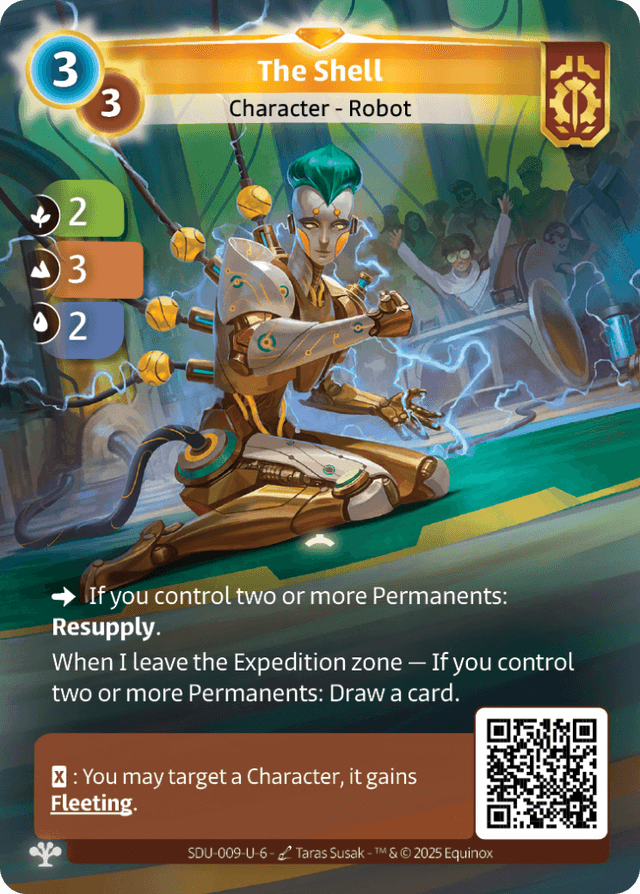
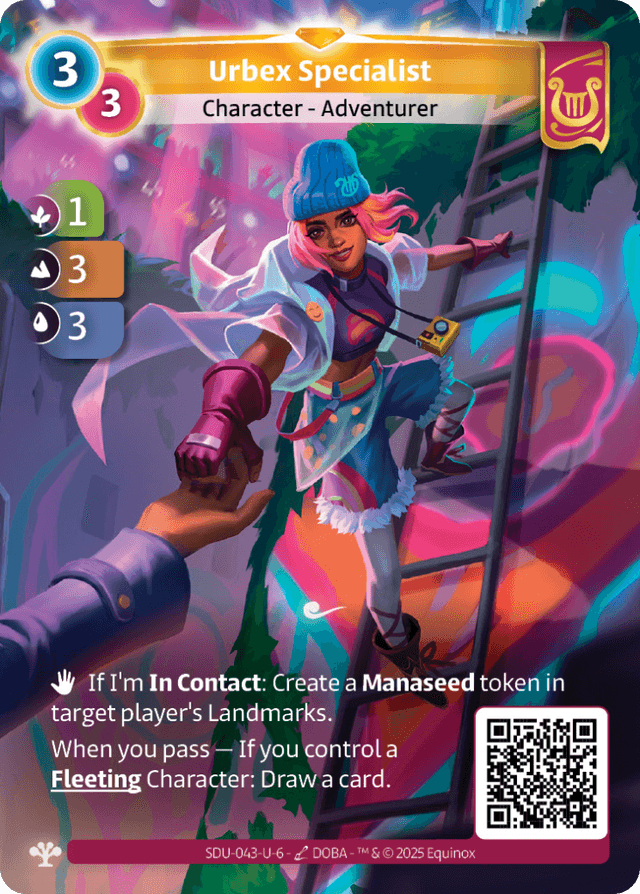
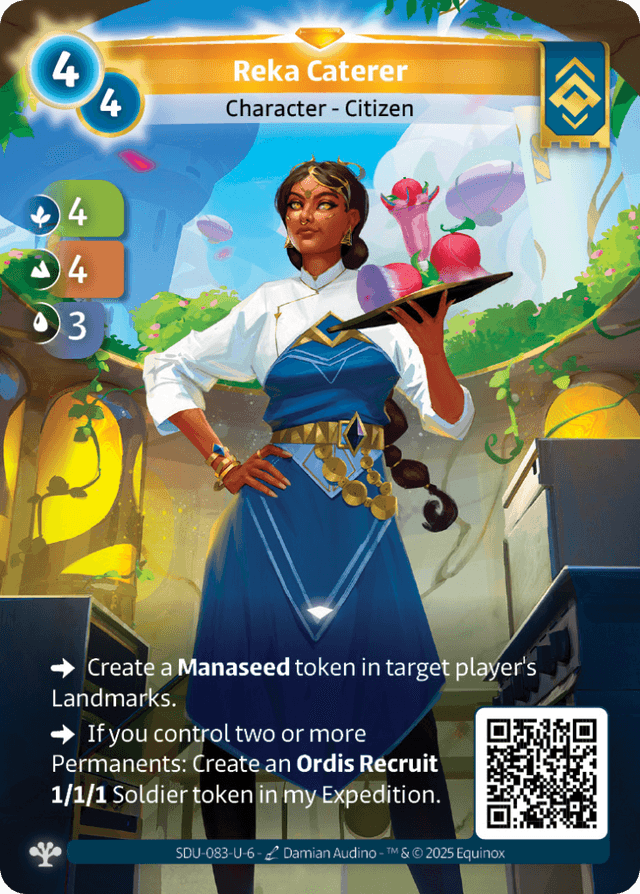
Unique cards should try to work toward a specific Hero or deck archetype instead of just adhering to their faction.
Much like early common/rare design, we initially thought we could make Uniques that just “fit” in a Faction, hoping that eventually a Hero or deck archetype would emerge to support them. It turns out that, outside of rare occurrences, this requires more intent than anticipated. We released more Uniques without a home than we would have liked, so we recently became more adamant about both removing Uniques that try to do too many different things at once, and buffing Uniques trying to perform in a niche archetype.
Unique cards need a clear purpose beyond being a slight upgrade of a common or rare card.
Due to our deckbuilding rules, Uniques are in direct competition with their common/rare versions, asking players if they’re worth upgrading the slot. While ensuring every Unique is clearly above the line set by its common/rare version is something we already focus on, we also look closely at their intended role:
- If the common provides a core effect, the Unique version can’t make that effect harder to access. This could happen for example when adding restrictive conditions, limiting it to Reserve only, or increasing the mana cost.
- And if doubling down on the common’s core role doesn’t create a compelling card, the Unique may be better served by shifting to a different but related purpose.
Unique cards should maximize the amount of times they’re played when drawn.
When we started evaluating Uniques, we applied heuristics learned from working on common and rare versions, with a corresponding buff in power level. What we missed was how expendable commons and rares are, while Uniques are not.
It’s fine to put a common into Mana if its stats don’t match the current terrain, its cost is too high or if the effect isn’t impactful right now. But Uniques aren’t put in decks to become Mana Orbs or be discarded due to Reserve limit; they are here to be played! You can see this reflected in the choices of players who selected Uniques with flat statistics or no statistics at all, generally low mana cost, and effects that enable combos so powerful that they ignore the current game state entirely.
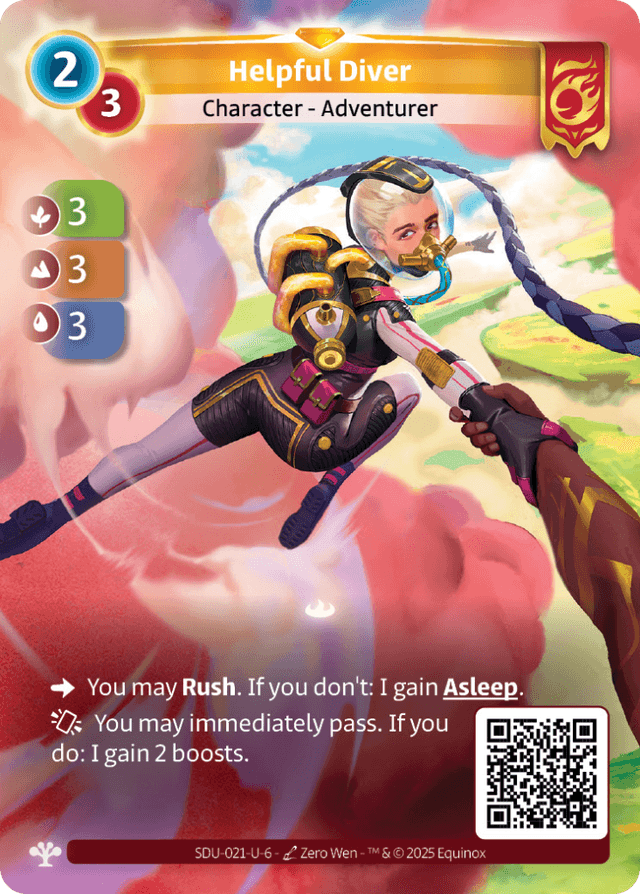
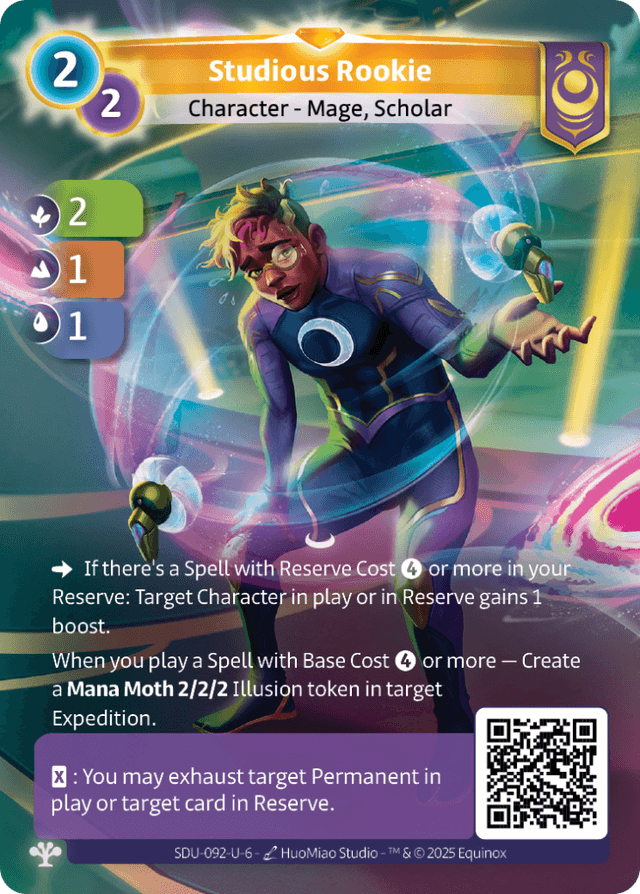
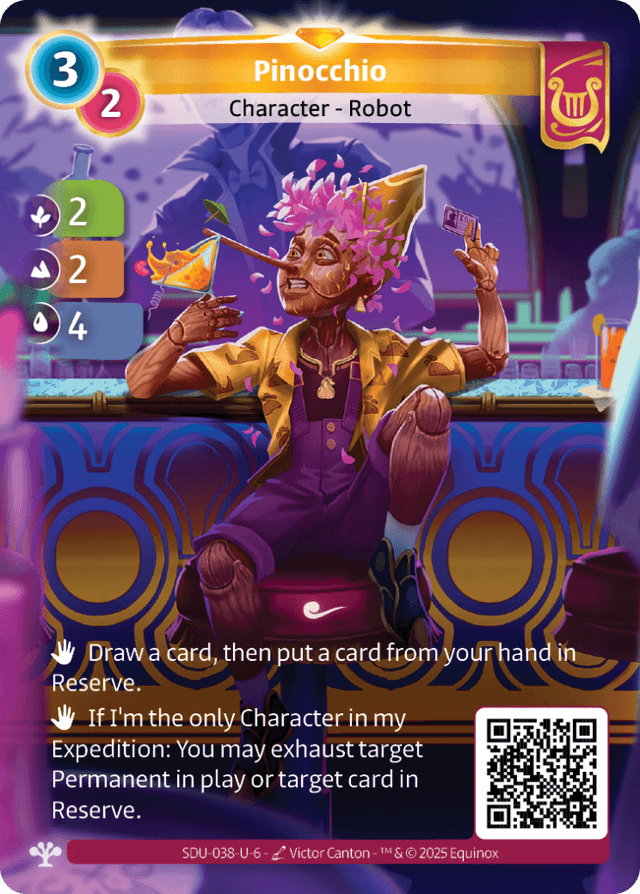
Improvements Already Implemented
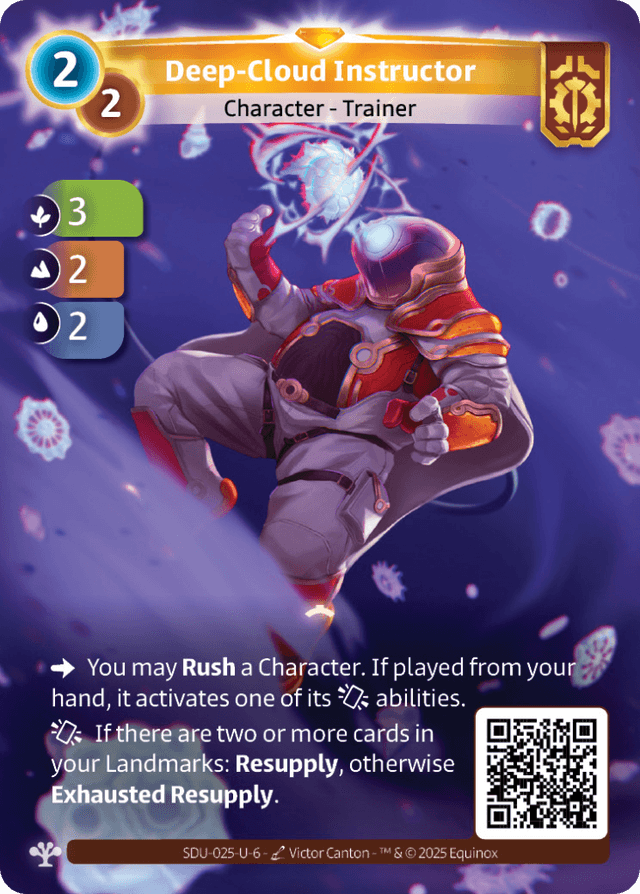
As sets released, improvements happened quietly and were foundational for applying some of the principles listed above. We removed overly restrictive and costly conditions (“You may pay {1}” no more!), added conditional fallback effects (“Draw a card, otherwise Resupply”), buffed high mana cards, and reduced some of the extreme polarization on ratios of hand vs. reserve strength and stats vs. effect strength.
Improvements in Seeds of Unity
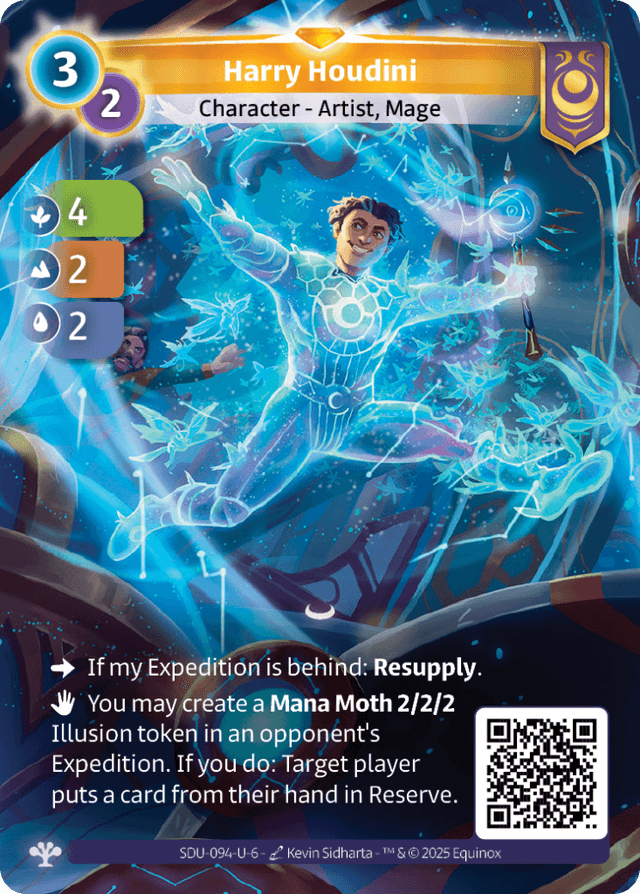
This set represents the biggest mechanical refinement so far, fully implementing lessons learned from Altered’s first year.
-
Higher baseline value from Reserve.
-
Support Abilities now weigh less in a card’s global evaluation.
-
“Spike” stats (4/1/1, 0/3/0…) now weigh less.
-
Having a 0-stat is now viewed as an important drawback.
-
Statlines now favor symmetry (2/2/2, 1/3/3) or a single zero for fewer weird, random distributions.
-
Underwhelming effects weigh less (e.g., boosts).
-
Stricter mana caps: weak effects can’t appear on high-mana Uniques.
-
New effect exclusions to prevent unfun or awkward sequencing
- Example: “If you’re first player” can’t combine with “When I leave Expedition”, due to the inability to benefit from that effect two days in a row.
-
More desirable effects added, such as the newly featured Manaseeds and variations on card draw
-
Removed effects that were no longer relevant to the Heroes featured in the set
- While previously the system was mostly additive, we are now trying to have a rotation where all effects aren’t always available to Uniques. They’ll come and go based on which Heroes and strategies we want to support.
-
Faction-shifted cards reworked when their original identity didn’t translate well
-
More families now have no condition attached to their core effects if their base card had none
-
More families now have equal or better trigger for their core effects (e.g. no more “When I’m played from Reserve, create a Manaseed” on a card that had a “When I’m played from anywhere, create a Manaseed”)
-
More families now have equal or better output for their core effects (e.g. if the base card draws a card as its core effect, Uniques versions won’t replace that with “I gain 1 boost” for instance)
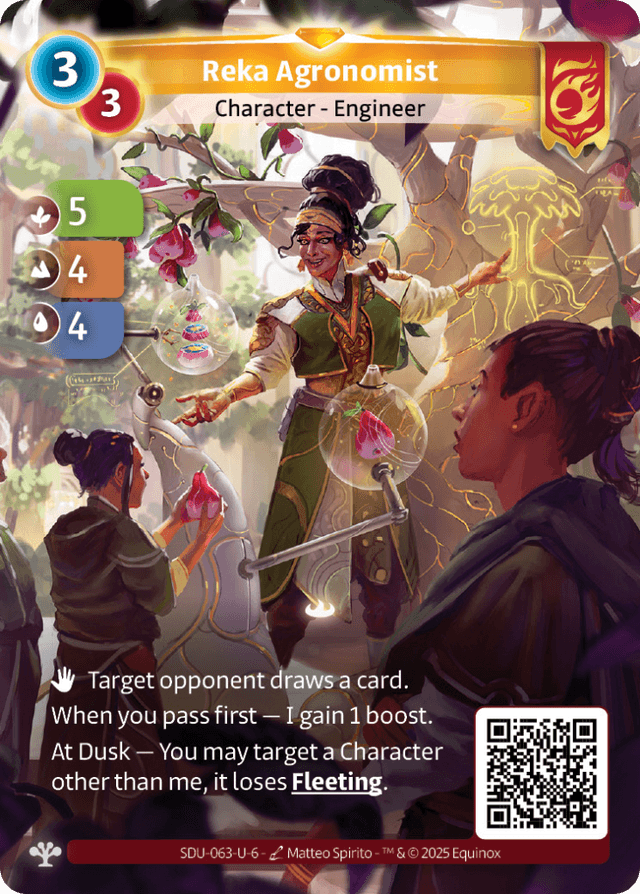
We hope this gives you a better idea of how ambitious we went with this set: it’s a real paradigm shift. We believe that this will alleviate some of the problems you faced with underwhelming Uniques but also level the playing field on some of the strongest ones.
What Comes Next
Our work on designing Seeds of Unity might be done, but the system keeps evolving. Our next priorities include getting better at identifying effect synergies and diversifying the roles Uniques can take. We are looking for more robust systemic solutions to prevent mishaps like infinite Gericht loops or Phileas Fogg having a dysfunctional effect.
We would also love to experiment with true no-effect Uniques as an exciting new pursuit for collectors. Finally, we’ll be looking at whatever suggestions you have; with the switch to our new model of distribution, it is now much quicker for us to adapt to your feedback and have it impact the game!
Thank You
This project evolves through constant player conversation: at events, online, and in-game. Every comment and every match helps shape better Unique cards. Thank you for being part of this creative journey!