The Winter Folk

5 minutes
393 AC
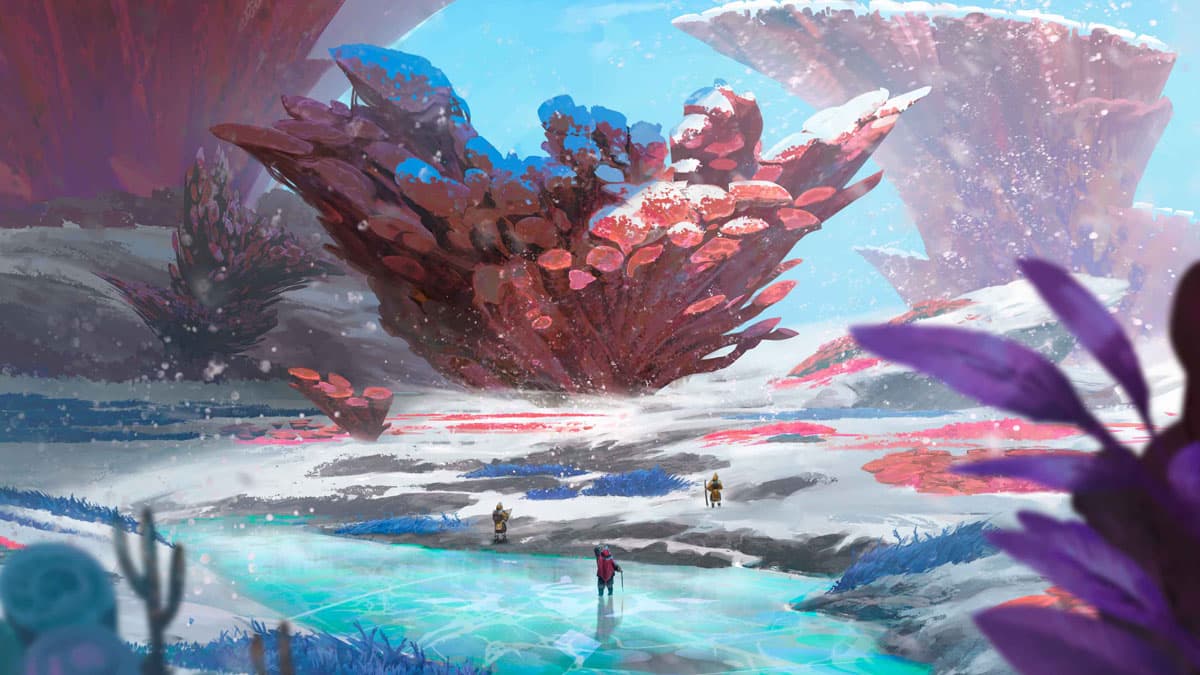
The harshness of the local climate may pose a challenge for us, beings accustomed to gentler and more forgiving biotopes, but many forms of life or sentient entities have, on the contrary, thrived under this relentless rigor. Walruses, narwhals, polar bears, arctic foxes, reindeer, and caribou have made their home here. Old legends suggest that these animals were once confined to the edges of the globe, which might imply that Asgartha is located near these arctic regions. However, another theory posits that, much like the Tumult Nomads, this fauna migrated here—perhaps following the idea of winter—and eventually settled permanently. It is fascinating to study their overall behavior. Naturally, there exists a system of predation within this ecosystem. Snow leopards prey on puffins or penguins, orcas hunt seals, and guillemots dive after ice shrimp. Yet, it has been observed that, in our presence, certain predators begin to defend what would typically be their prey against our intrusions. It is as though an unspoken agreement exists among them, a harmony that mirrors the pact underlying Asgarthan society. This is why we have started to refer to the endemic wildlife as the Winter Folk, as they appear to have developed a pseudo-societal consciousness. Polar bears and snowy owls naturally assume roles as protectors, while penguins and pinnipeds cooperate to assist one another. This peculiar behavior hints at the emergence of an interspecies social hierarchy. Was this system driven by necessity? Or is it something else entirely?
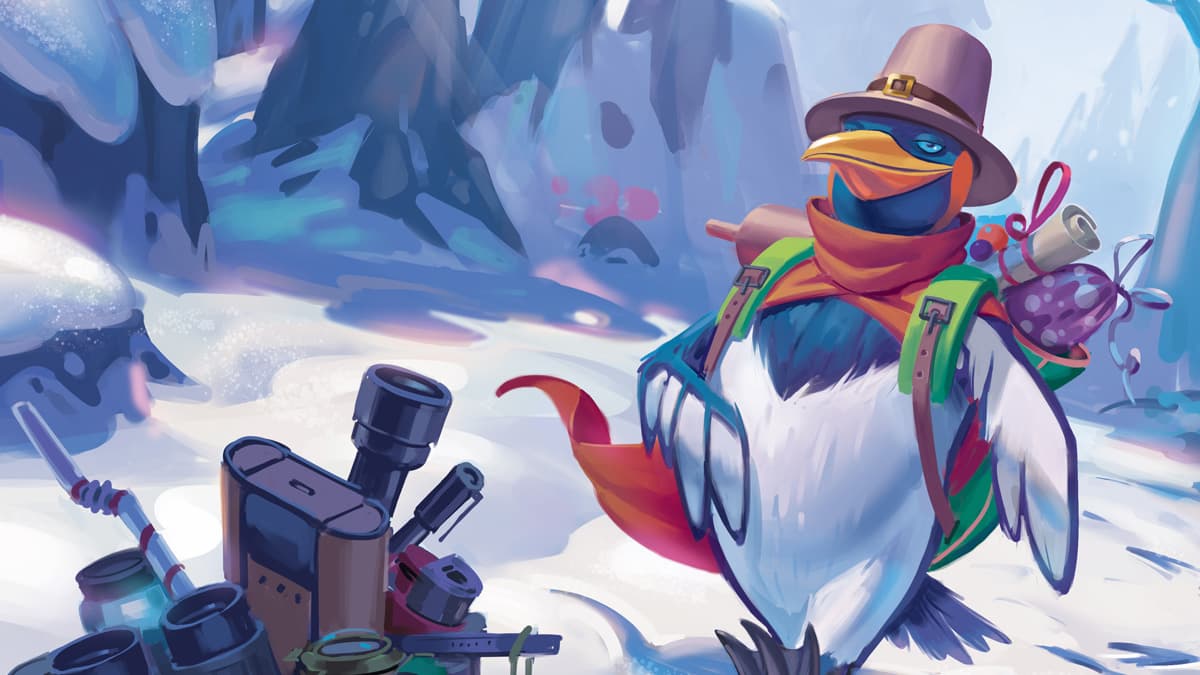
The Magpengs
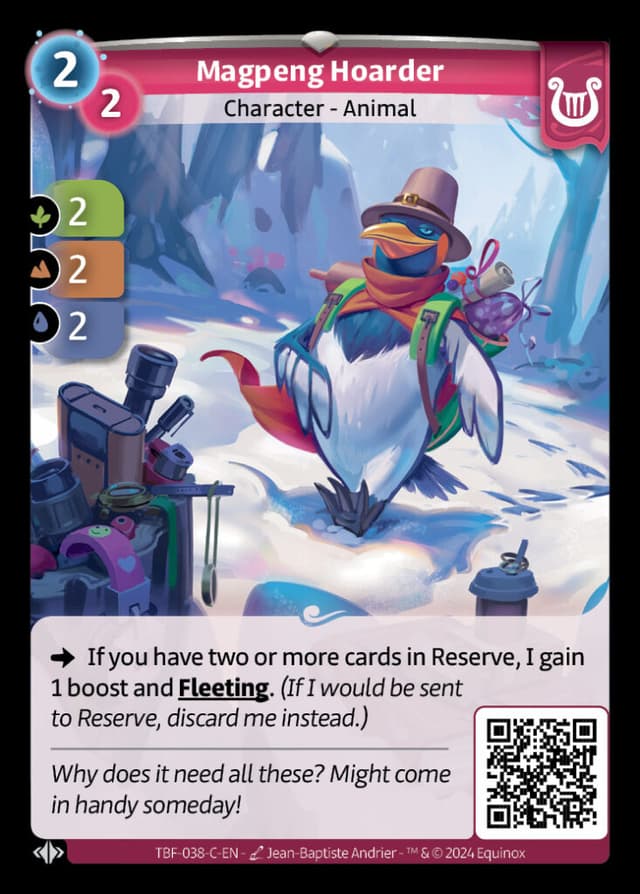
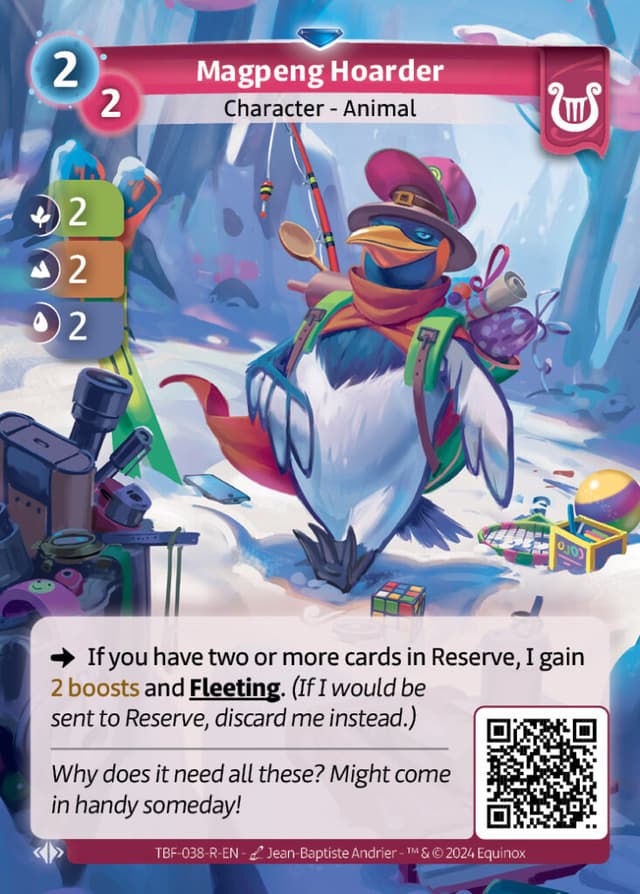
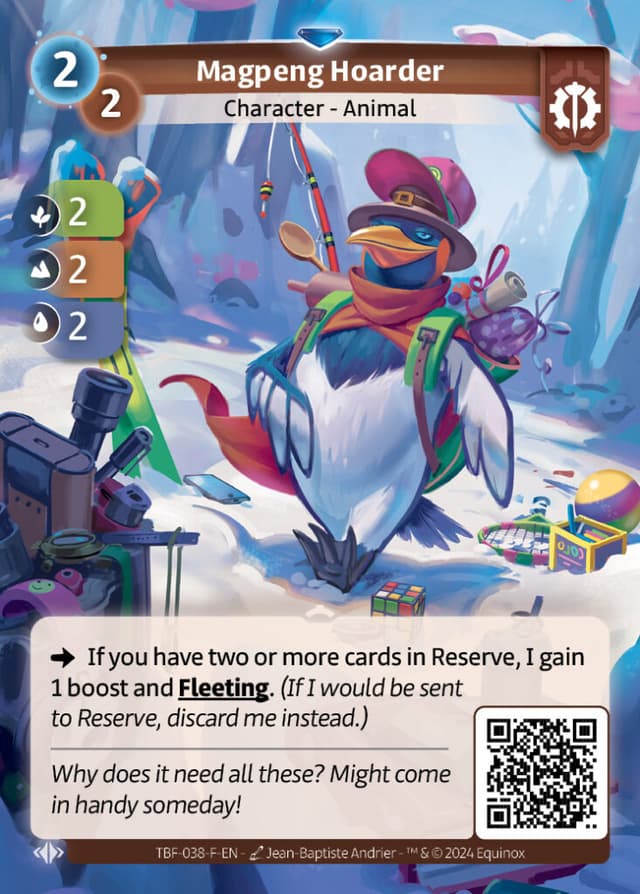
A cross between a magpie and a penguin, the magpeng is a hybrid animal that seems to have inherited traits from both species. Unable to fly, it waddles clumsily on its legs but has mastered the art of sliding across snow or ice. This aerodynamic ability translates to water, where it swims with mesmerizing virtuosity. However, its fins, which are feathered and longer than those of regular penguins, give it the ability to leap with far greater amplitude than its arctic cousins. In exchange, it has adopted the magpie's thieving behavior and fascination with shiny objects. You should never leave a magpeng unattended; if you do, it will quickly ransack the camp in search of valuables, solely to add to its growing pile of pilfered trinkets.
The Ice Shrimp
Equally at home in the air and underwater, ice shrimp are lighter in color than their strictly aquatic cousins. Their flesh shimmers with blue hues and takes on an opaline tint when cooked. When they leave the water, they retain their same mode of movement, using the oscillation of their pereiopods as well as the flapping of their pleopods, just like other pelagic species. We have observed many animals, both birds and terrestrial creatures, occasionally feeding on these shrimp. According to initial analyses, their ability to fly originates from a vein of Aerolithe running beneath their carapace, extending from their rostrum to their telson.
The Hakupopo
When the snow falls heavily, it’s not uncommon to see small sentient beings mingling with the snowflakes. The first Muna observers called them Hakupopo. These fluffy spheres drift through the air like dandelion seeds — though without the achenes detaching — and sometimes blanket the valleys, blending seamlessly with the snow. However, they part ways as we pass, like a moving carpet, or begin to float about, much like the moonlight jellyfish of the Kadigir. Muna and Axiom naturalists have been deployed to study the fauna and flora of the Storvhit. What we know so far is that the Hakupopo have adapted perfectly to this environment, and other species must have done the same.
Field Journal of Saskia Averina,
Muna Naturalist
393 AC, January 29